
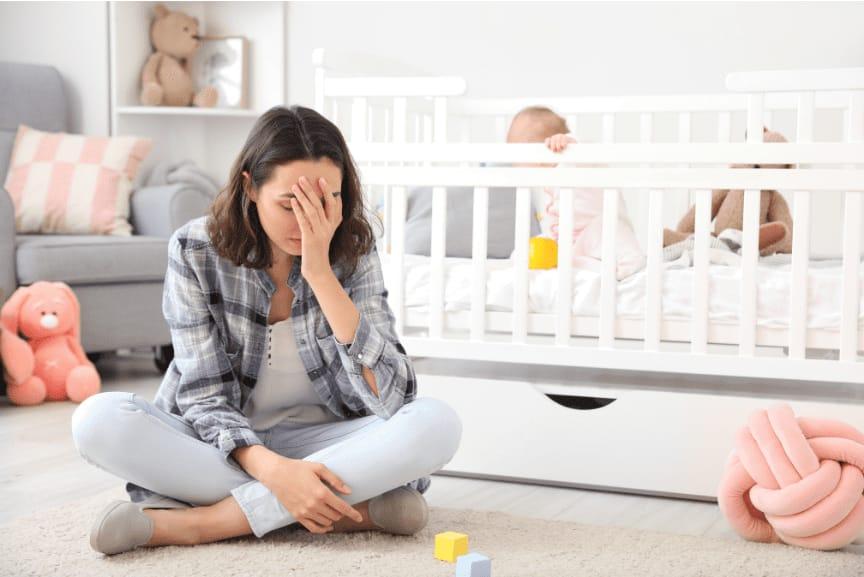
Postpartum tends to be a subject we as a society barely touch on. When people think of postpartum, our minds go to the extreme cases we see in the news or dramatized on television. We fill out the questionnaires at our new baby's 2 week well check and at our 6-week OB check and then, in most cases, it's not asked about again. For a lot of us who struggle with postpartum depression, it takes longer than 6 weeks to realize or acknowledge there MIGHT even be an issue. While we've come a longways in talking about mental health, postpartum is still one that seems to be tiptoed around because it can be so difficult to talk about. It's the, greater than the "baby blues" but less than newsworthy type of postpartum that affects most parents. Yes, parents. Fathers can also be affected by postpartum mood disorders. Whether it's shame, fear, or just not recognizing postpartum, it does need to be talked about more.
PPD or Postpartum Depression is the most common postpartum mood disorder talked about and referenced. However, there are actually several forms of postpartum mood disorders including:
- Postpartum Depression
- Postpartum Anxiety
- Postpartum OCD
- Postpartum Post-Traumatic Stress Disorder
- Postpartum Psychosis
Postpartum depression, anxiety and/or OCD can also start showing in pregnancy and continue postpartum. I know this all can sound scary, worrisome, or overwhelming, BUT you need to remember that with proper, informed care and support you can prevent the symptoms from worsening and fully recover.
Postpartum can affect ANYONE. It doesn't matter your age, race, culture, income level or relationship status, it affects parents everywhere. For women, it's about one in seven moms that are affected either during pregnancy and/or within the first year after childbirth. Some research is even saying you can develop the symptoms within the 2 years after childbirth. For dads, it's one in ten that are affected within the first year of childbirth. People with a history of anxiety/depression are at a higher risk of developing postpartum depression (PPD) and postpartum anxiety (PPA).
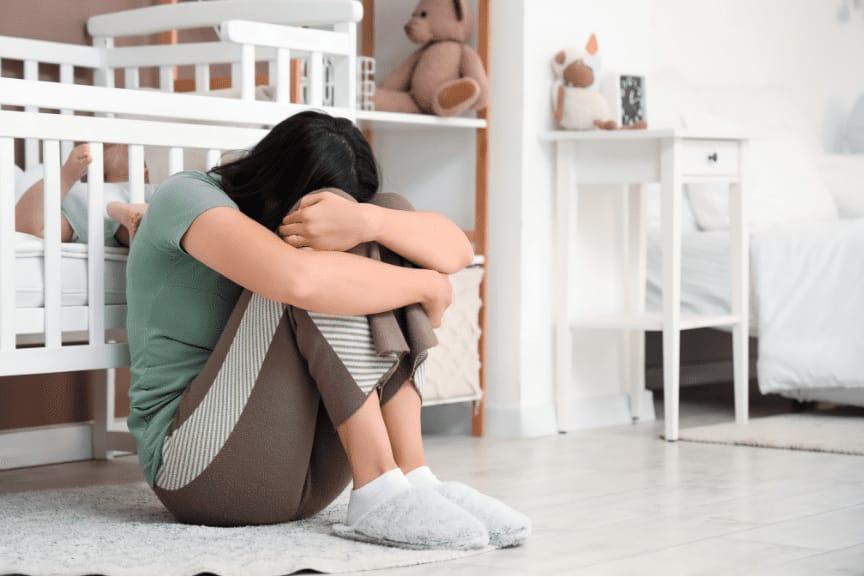
I have a history of depression as a teen and have struggled with anxiety my entire adult life, so going into my first pregnancy I did worry about how PPD would affect me. I talked to my Obstetrician and my therapist about my concerns and they both suggested coming up with a plan with my support system to hopefully recognize symptoms of PPD and get any help or support I needed, as soon as I was able. The plan was really just having scheduled therapy check-, giving my two closest support people (my husband and my best friend) a list of things to watch for and ask me, and setting up reminders on my phone to do a quick self-check-in.
Even having a plan, I did worry about PPD. At the time it seemed like a daunting, all-consuming problem that I had only heard the worst about. I had never heard about the success stories of parents having had PPD and getting past it.
After having my first child, I struggled with postpartum depression & anxiety. The anxiety was the worst part for me personally. The depression seemed to come from having a child in the NICU for a few weeks and the anxiety didn't really hit until we were home. Looking back I think the fact that I had something to focus on (my son's health concerns & surgery, & learning to be a new mom in the NICU) made me not realize that I did have some depression and anxiety, all of which outsiders were telling me was normal for our situation. Once we were able to bring our son home, everything hit me full force. I can remember waking up in a panic, thinking something had happened to the baby. The baby that was peacefully sleeping in the bassinet a few feet away and it taking so long for me to be able to calm my heart and my mind enough to get back to sleep, just to wake up again 30 minutes later. I worried most of time, day and night. Mind you some of the worry was a normal level. Almost having a panic attack because I was so worried about how my 3-month-old would handle kindergarten? Or not being able to sleep because I was making a list of all the things I shouldn't do for the next 18 years so he doesn't hate me? Not so normal. My support system noticed, and the plan did work. Knowing that my support system would be asking how I was ahead of time, made me more open to being truly honest about how I was actually doing. I didn't feel like they were questioning me as a mom, or like it was a criticism in the making. With their support and the help of my therapist I was able to get past it and recover.
After the birth of my second child, postpartum definitely hit me harder. I wasn't as concerned about it during my pregnancy since it was mostly manageable after having my first. The first ten weeks were the most difficult. During those weeks Postpartum felt like this impossible, overwhelming, gigantic mountain looming over me every day. Sometimes it feels like I'm being crushed The peak of the mountain is where I have to reach for the healing and recovery to begin. It was and still is a struggle to try some days, and the added guilt I feel that I'm doing my best, that I'm not being a good mom, makes it hard to recognize the progress sometimes. Guilt about the time I could've been spending with my children, instead of being stuck in a deep hole of depression was the worst. Sometimes talking to other people who didn't know what I was struggling with made me feel guilty. The common sayings of "All new moms are exhausted, that's normal" or "All new moms are a little weepy, it's the hormones. It's normal", would make me feel like I was just weak, and that I should've been able to be "normal" immediately. I felt like I was failing at something that was normal, that other found easy. When in reality, it wasn't normal at all. It wasn't baby blues. It wasn't a normal level of tiredness.
I feel like I'm over the worst of it now. My "bad days" are few and far between. Even though I'm 6 months postpartum, my support people still do their check-ins and I do still see my therapist, just less often. I think having a game plan was monumental in recognizing what was really going on, I'd hate to see where I would be today if I hadn't gotten the support and help I needed.
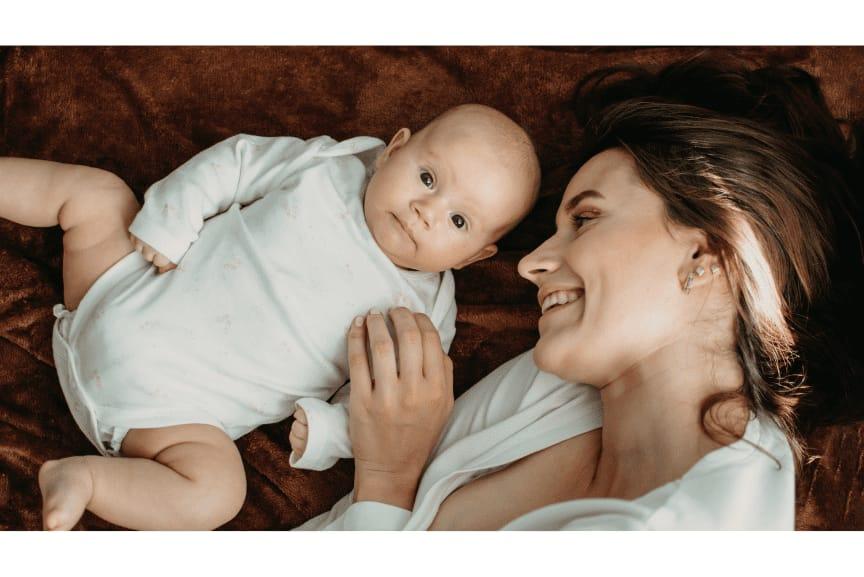
My view of postpartum has changed since experiencing it myself. I think there needs to be more open, bluntly truthful conversations about it, and not just with our close friends and family. I think the questionnaires should be looked at more closely and possibly changed. I know when I read through them, some of the questions didn't seem like they applied or were just about depression & anxiety in general. It's a different kind of depression and anxiety than what I was used to. We, as moms, also need to be truly honest with ourselves about where we are truly at in terms of our mental AND physical wellbeing.
If you're struggling or aren't sure if what you're feeling, experiencing, or thinking is normal, please reach out for support and help. Please don't wait.
National Maternal Mental Health Hotline: call or text 1-833-TLC-MAMA (1-833-852-6262).
FAQs: https://www.postpartum.net/learn-more/frequently-asked-questions/#toggle-id-3 or https://www.mayoclinic.org/diseases-conditions/postpartum-depression/symptoms-causes/syc-20376617
Learn More: https://www.postpartum.net/learn-more/
Find Resources: https://www.postpartum.net/learn-more/useful-links/