Your voice equals greater results.
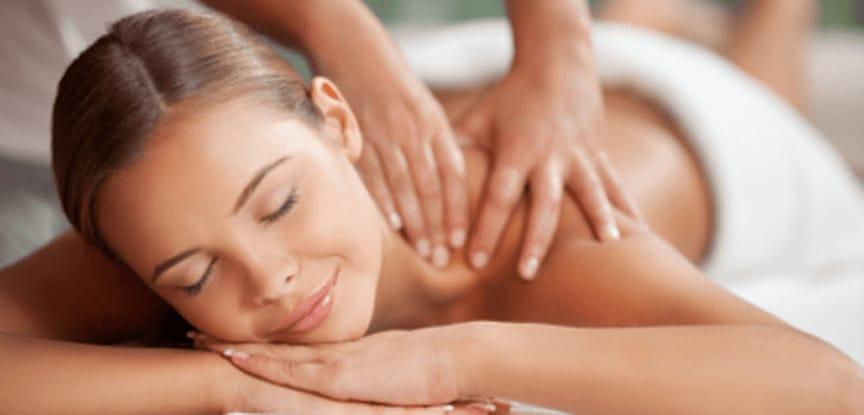
You're lying on the massage table.
The pressure feels slightly too deep... but you don't say anything.
The room is a little cold... but you don't mention it.
You leave thinking, "That was okay," when it could have been incredible.
The difference? Communication.
It doesn't matter if you are new to receiving massage, a regular client, or a casual enjoyer; communicating your needs, desired outcomes, and comfort are key factors to an enjoyable experience for both you and your massage therapist.
Effective communication during a massage is often underestimated-but it's one of the most important elements of a truly therapeutic and satisfying experience. Whether you're receiving bodywork at a spa, wellness clinic, or a luxury retreat, communication shapes the outcome just as much as technique.
Here are five major reasons why communication is key during a massage:
1. Ensures Safety and Comfort
Every body is different. What feels relaxing to one person may feel uncomfortable-or even painful-to another. Clear communication helps your massage therapist understand:
- Pressure preferences (light, medium, deep)
- Sensitive or injured areas
- Medical conditions or recent surgeries
- Temperature comfort (room, table warmer, oils)
Without this information, a therapist is essentially guessing. Open dialogue ensures that the session remains safe, supportive, and aligned with your physical needs.
2. Maximizes Therapeutic Results
Massage isn't just about relaxation - it's often about pain relief, injury recovery, and stress reduction. Whether you're receiving Swedish massage, deep tissue work, cupping, or a new-to-you massage style, your goals matter.
Communicating your intentions helps your therapist:
- Target specific muscle groups
- Adjust techniques for tension or mobility issues
- Spend more time on problem areas
- Modify the session as your body responds
For example, if you came in for neck pain but don't mention it, your therapist may not focus enough attention there. Communication ensures the session is purposeful-not generic.
3. Builds Trust and Emotional Safety
Massage therapy involves vulnerability. You're in a private setting, often partially undressed, and trusting someone with your body. Building emotional trust allows the nervous system to shift from "fight or flight" into "rest and restore."
This includes:
- Expressing boundaries
- Asking questions about techniques
- Voicing discomfort immediately
- Clarifying draping or privacy concerns
When you feel heard and respected, your body relaxes faster - and that's when real healing begins.
4. Allows Real-Time Adjustments
Massage is not a static service, it's dynamic. Your body changes minute by minute during a session.
You may need to communicate:
- "That pressure is perfect."
- "Could you go a little lighter?"
- "That spot feels tender."
- "I'm feeling a little cold."
Therapists appreciate feedback. Real-time adjustments prevent soreness, reduce the risk of injury, and enhance overall satisfaction.
Silence may feel polite-but constructive feedback leads to better results.
5. Encourages Long-Term Wellness
Consistent communication over multiple sessions helps your therapist track patterns in your body:
- Recurring tension points
- Postural imbalances
- Stress triggers
- Recovery progress
This turns massage from a one-time luxury into a long-term wellness strategy. Just as trainers track progress in fitness programs, massage therapists rely on communication to support ongoing improvement.
Communication is key; before, during, and after your massage session ensuring comfort, effectiveness, trust, and lasting results. It shifts your massage time to a partnership, not a passive experience.
The next time you step into a treatment room, remember: your voice is just as important as your therapist's hands, come ready to collaborate.